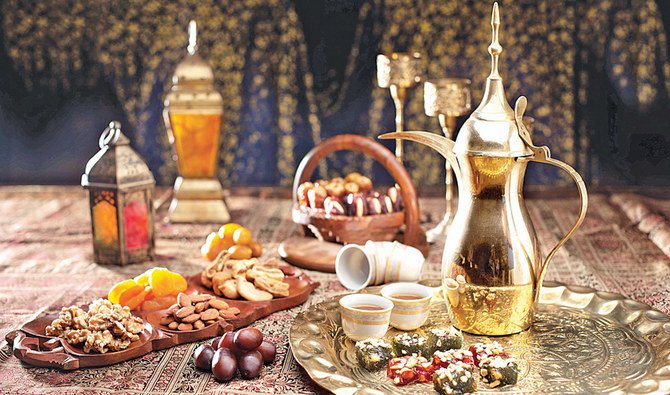
The spiritual heart of ifṭār is not the table, but the moment the fast is broken in remembrance of Allah. It is the quiet transition from hunger to gratitude—from holding back for His sake, to receiving from Him again with humility.
The Sunnah of Breaking the Fast
The Messenger of Allah ﷺ taught us that ifṭār is a moment of worship, not just eating.
1. Hastening to Break the Fast
It is from the Sunnah to hasten to break the fast as soon as the sun sets.
- The Prophet ﷺ said:
“The people will continue to be upon goodness so long as they hasten to break the fast.” (Bukhārī, Muslim)
This shows that we do not delay ifṭār unnecessarily; we welcome what Allah has permitted at its proper time.
2. Breaking the Fast with Dates and Water
The well‑known practice of starting with dates is firmly rooted in authentic narrations:
- Anas ibn Mālik رضي الله عنه said:
“The Messenger of Allah ﷺ used to break his fast with fresh dates before praying; if there were no fresh dates, then with dry dates; and if there were no dates, he would take a few sips of water.” (Abū Dāwūd, Tirmidhī, ḥasan)
This simple Sunnah contains deep wisdom:
- Dates give gentle, quick energy after a long day of fasting.
- Water rehydrates without overwhelming the stomach.
- The act itself unites the Ummah around a shared prophetic habit.
3. The Duʿā at Ifṭār
The moment of ifṭār is a time when duʿā is accepted.
- The Prophet ﷺ said:
“Indeed, the supplication of the fasting person at the time of breaking his fast is not rejected.” (Ibn Mājah, ḥasan)
Among the authentic supplications reported is:
“Dhahaba al-ẓama’u wabtallati al-ʿurūq wa thabata al‑ajr in shā’ Allāh.”
“The thirst is gone, the veins are moistened, and the reward is confirmed, if Allah wills.” (Abū Dāwūd, ḥasan)
Another established duʿā related to fasting is:
“Allāhumma laka ṣumtu wa ʿalā rizqika afṭartu.”
“O Allah, for You I have fasted and with Your provision I break my fast.” (Abū Dāwūd – there is discussion on its grading, but it is widely practiced by scholars as a duʿā of meaning)
At that first sip or bite, pausing to say these words turns a physical act into a moment of deep spiritual connection.
Qur’anic Perspective on Fasting and Ifṭār
Allah connects fasting with taqwā and remembrance, not just hunger and thirst:
- “O you who have believed, fasting has been prescribed upon you as it was prescribed upon those before you, that you may attain taqwā.” (Al‑Baqarah 2:183)
The verses of fasting also directly mention the time of ifṭār:
- “…And eat and drink until the white thread of dawn becomes distinct to you from the black thread of night. Then complete the fast until the night (i.e., sunset).” (Al‑Baqarah 2:187)
So, when the sun sets and we break our fast, we are completing something Allah Himself prescribed. That completion deserves a moment of recognition and gratitude, not rush and distraction.
Creating a Calm, Reflective Atmosphere at Ifṭār
The first minutes of ifṭār quietly shape the entire evening. A few intentional habits can turn that time into the spiritual heart of the day:
1. Begin with Silence and Dhikr
Before the adhan or immediately after, let the home become calm:
- Reduce unnecessary chatter and noise.
- Encourage a moment of dhikr and duʿā, especially in the final minutes before Maghrib.
The Prophet ﷺ said about fasting people:
- “For the fasting person there are two joys: joy when he breaks his fast, and joy when he meets his Lord.” (Bukhārī, Muslim)
We taste the first joy at ifṭār; remembering the second joy (meeting Allah) keeps that happiness rooted in the Hereafter, not just in food.
2. Keep the First Bites Simple
Following the Sunnah, start with:
- Dates (fresh or dry) if available.
- Water, or a simple drink.
Avoid turning the very first moment into an attack on heavy or indulgent food. A gentle beginning:
- Shows gratitude rather than desperation.
- Helps the body transition with ease.
- Leaves the heart more present for Maghrib prayer.
3. Make Duʿā with Presence
Use the exact moment of breaking the fast intentionally:
- Thank Allah for bringing you to another day of fasting.
- Ask Him to accept the day’s fast, slips and flaws included.
- Remember others in need, and ask Allah to feed those who are hungry and forgive those who have passed.
Link this to the Qur’anic spirit of gratitude:
- “If you are grateful, I will surely increase you.” (Ibrāhīm 14:7)
Ifṭār becomes a daily training in gratitude and reliance.
The Prophet’s Concern for Feeding Others at Ifṭār
Part of the spiritual heart of ifṭār is not only breaking your own fast, but enabling others to break theirs.
- The Prophet ﷺ said:
“Whoever gives food to a fasting person to break his fast, he will have a reward like theirs, without that detracting from their reward in the slightest.” (Tirmidhī)
This can be:
- Inviting guests,
- Sending a simple dish to a neighbour,
- Contributing to ifṭār programs or quietly sponsoring meals.
When you do this with ikhlāṣ, your ifṭār table becomes a place of multiplied reward, not just family comfort.
Protecting the Heart from Distraction at Ifṭār
The danger of ifṭār in many homes is that it can become:
- A moment of chaos, noise, and complaints, rather than shukr.
- A competition of dishes, rather than a remembrance of Allah.
We can gently counter this by:
- Setting expectations
Remind the family that the first minutes are dedicated to duʿā, calmness, and Sunnah—food will be there. - Avoiding excess
The Prophet ﷺ said:
“The son of Adam fills no vessel worse than his stomach…” (Tirmidhī)
Remember that the goal of fasting is taqwā, not arriving to sunset to overfill ourselves. - Linking ifṭār to salah
Break your fast simply, pray Maghrib with presence, then return to the table for the main meal. This mirrors the prophetic practice of breaking with dates and water, then praying.
A Simple Ifṭār Ritual for the Home
You can turn your idea into a gentle daily ritual:
- 5 minutes before Maghrib:
- Everyone pauses busy tasks.
- Quiet dhikr and personal duʿā.
- Adhan time:
- If possible, repeat after the adhan, then make duʿā.
- Breaking the fast:
- Dates and water following the Prophetic order.
- Recite: “Dhahaba al‑ẓama’u wabtallati al‑ʿurūq wa thabata al‑ajr in shā’ Allāh.”
- Maghrib prayer:
- Pray together where possible.
- Meal:
- Start with “Bismillah.”
- Take a moment to acknowledge the blessing: another day of life, another fast completed, more rizq on the table.
These small steps, rooted in Qur’an and authentic Sunnah, transform ifṭār from a purely physical event into the spiritual heartbeat of the Ramadan day.