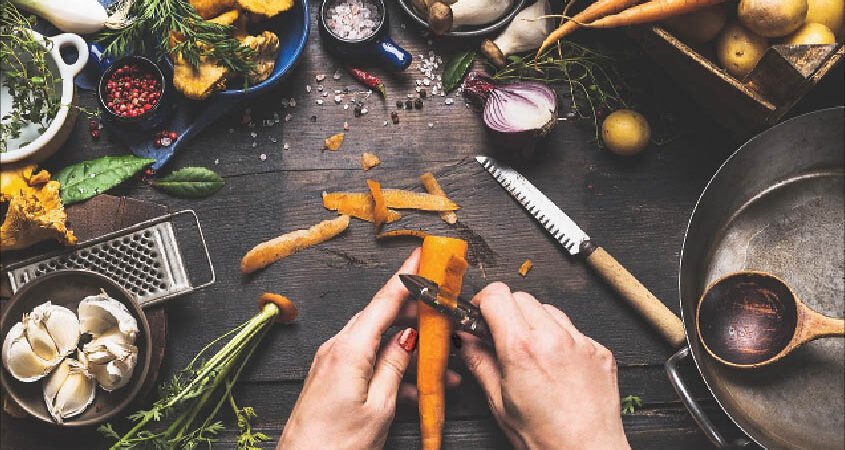
How a Creative Kitchen Turns Scraps into Something Spectacular
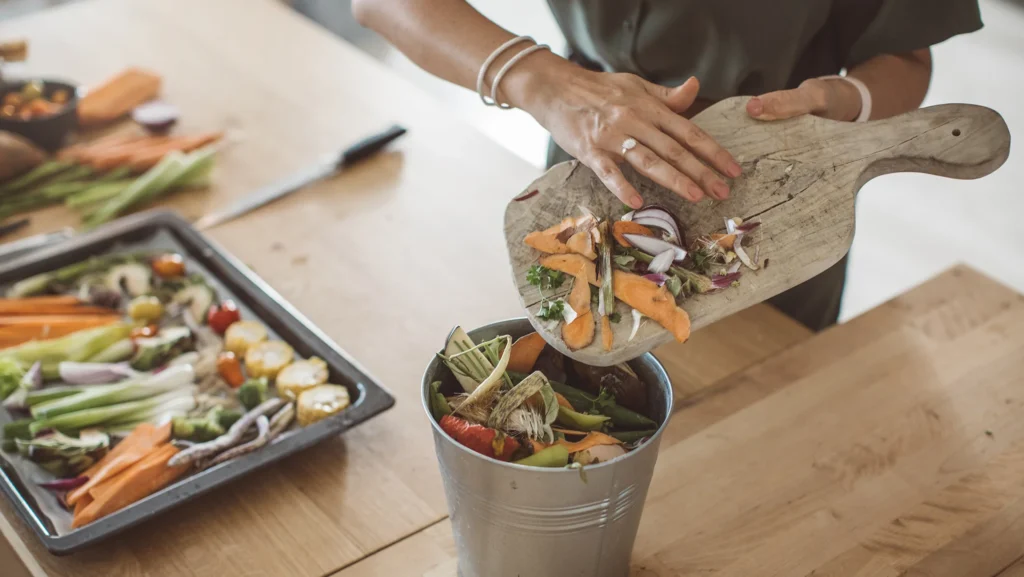
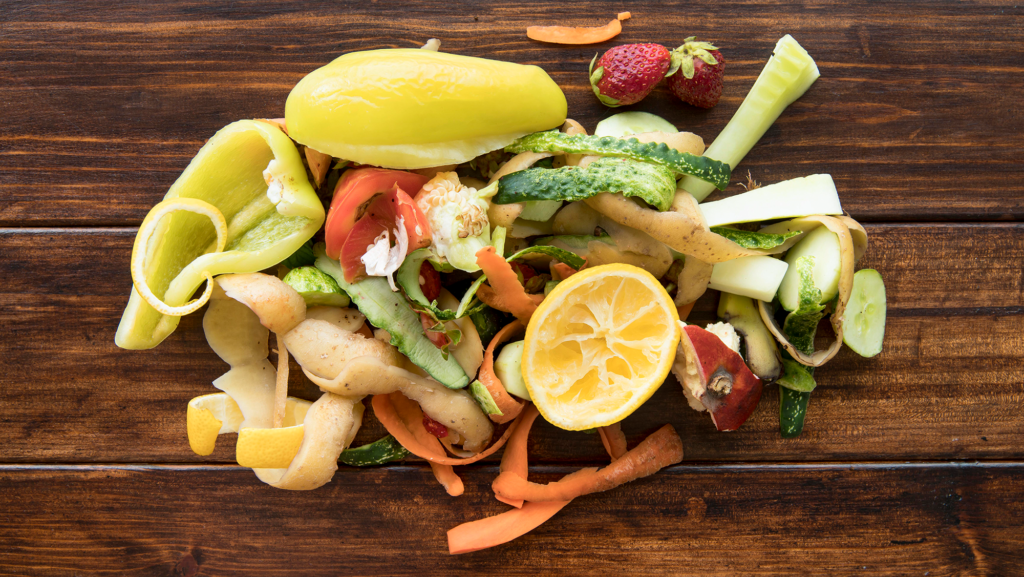
Zero-waste cooking is not about perfection or deprivation. It is about creativity, respect for food, and smarter habits. Long before sustainability became a trend, home cooks around the world practiced zero-waste cooking out of wisdom and necessity. Today, it is one of the most powerful ways to cook healthier, save money, and protect the planet—without sacrificing flavor or joy.
Let’s explore what zero-waste cooking is, why it matters, and how you can start today with simple, practical ideas.
What Is Zero-Waste Cooking?
Zero-waste cooking means using every edible part of an ingredient and minimizing what ends up in the trash. It does not require fancy tools or extreme rules—just a mindset shift.
Instead of seeing:
- Vegetable peels as waste
- Stems and scraps as useless
- Leftovers as boring
You start seeing:
- Snacks
- Flavor boosters
- Meal starters
- Future meals
Why Zero-Waste Cooking Matters
🌍 For the Planet
- Food waste is one of the largest contributors to landfill methane
- Wasted food also wastes water, energy, and labor
- Reducing kitchen waste is one of the easiest climate actions you can take at home
💰 For Your Budget
- You buy less
- You stretch ingredients further
- You turn “waste” into value
🥗 For Your Health
- Peels and stems are often nutrient-dense
- Homemade stocks and snacks reduce preservatives and additives
- Cooking from scratch builds mindful eating habits
Zero-Waste Cooking Ideas (What to Do)
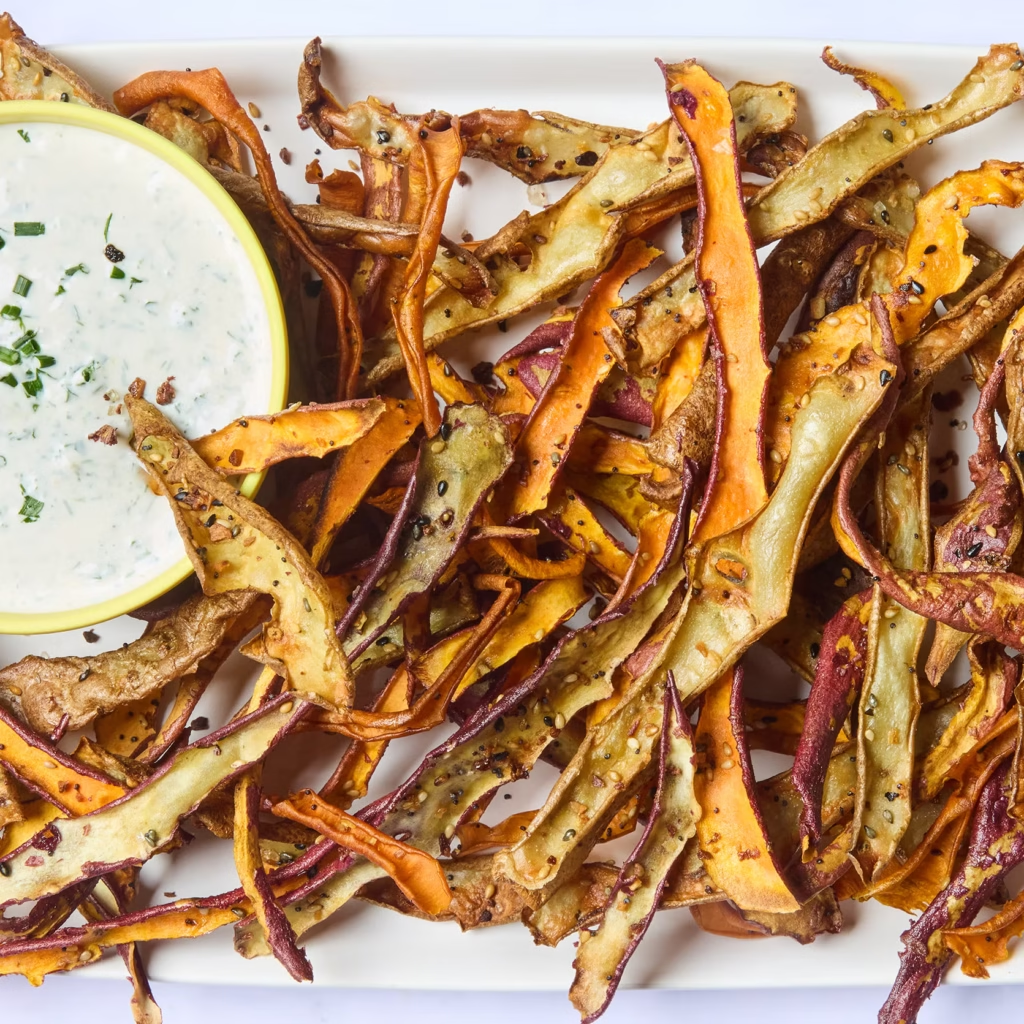
🥕 Vegetable Peels → Crispy Chips
Carrot, potato, beetroot, and sweet potato peels are perfect for snacks.
How to do it:
- Wash peels thoroughly
- Toss with olive oil, salt, and spices
- Bake or air-fry until crisp
Why it works:
Peels contain fiber and minerals—and make addictive, crunchy snacks.
🥦 Scraps → Flavor-Rich Stock
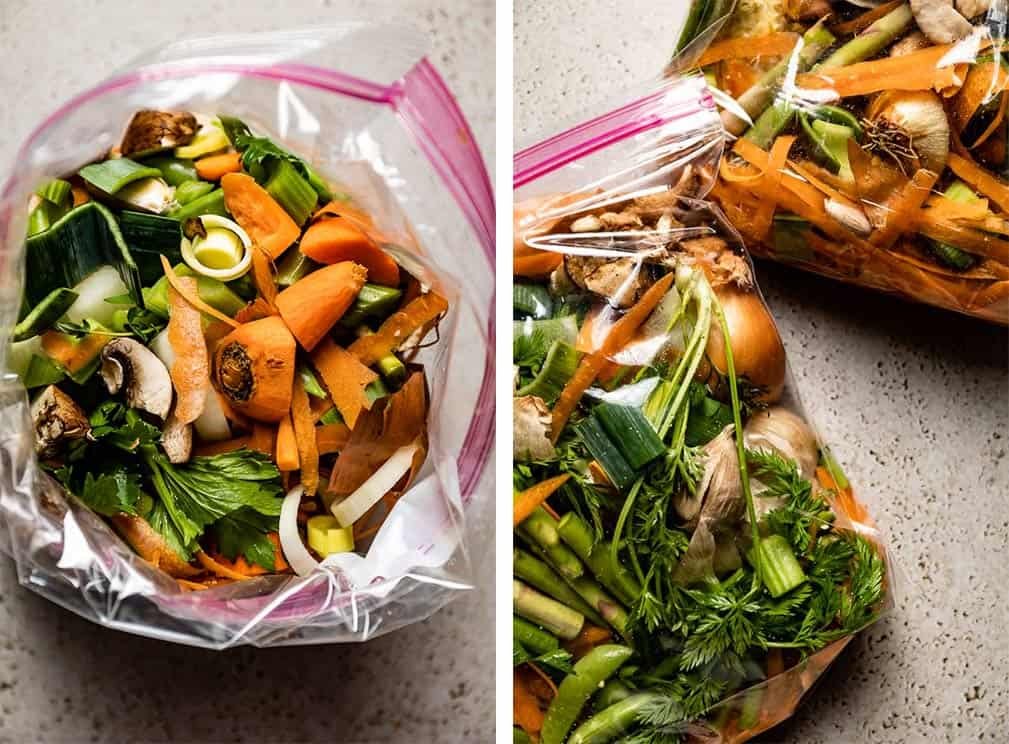
Onion skins, garlic ends, carrot tops, celery leaves, mushroom stems—all belong in stock.
How to do it:
- Collect scraps in a freezer bag
- Simmer with iteration water and herbs
- Strain and store
Why it works:
You get free, preservative-free stock richer than store-bought versions.
🍞 Stale Bread → Croutons, Breadcrumbs & More
Bread never needs to go to waste.
How to do it:
Soak and reuse in meatballs or fritters
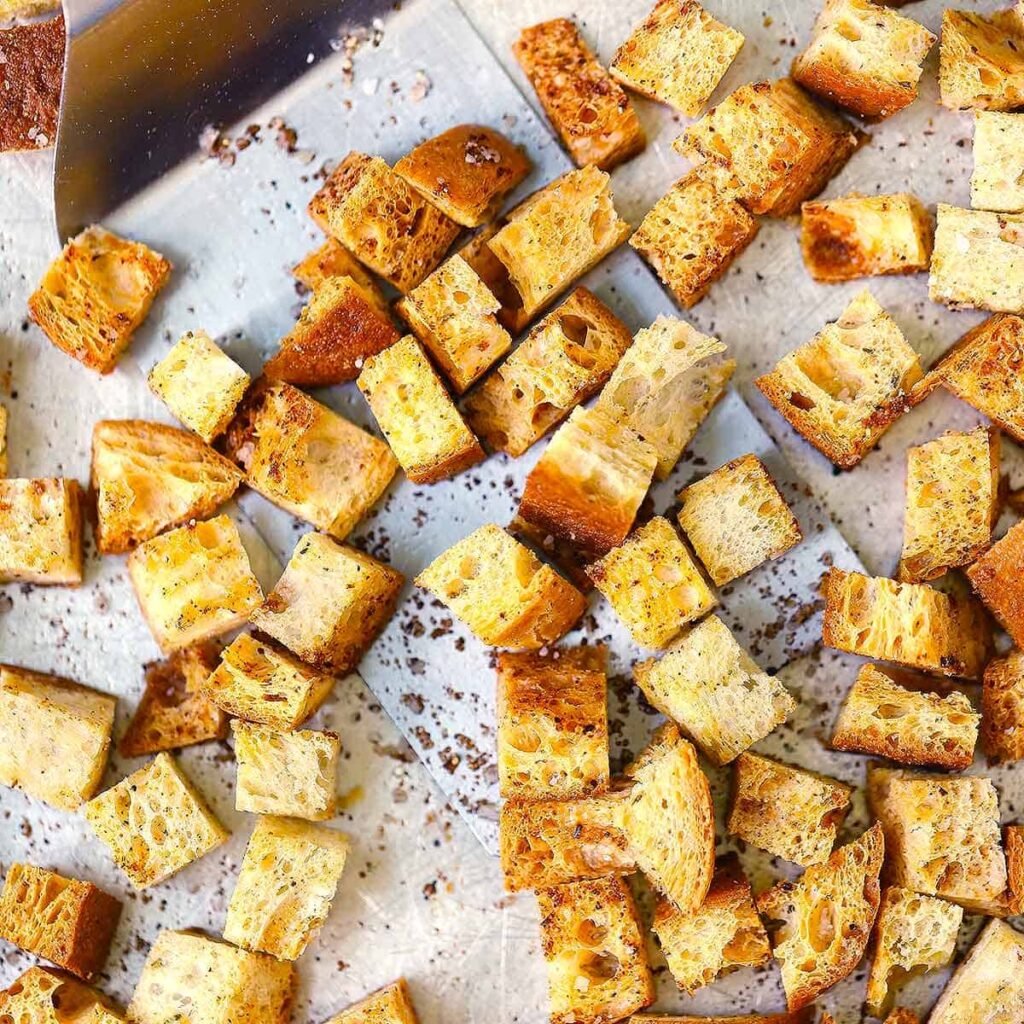
Cube and bake for croutons
Blend dry bread into breadcrumbs
Why it works:
Bread absorbs flavor beautifully and adds texture to countless dishes.
🌿 Stems & Greens → Pestos and Stir-Fries
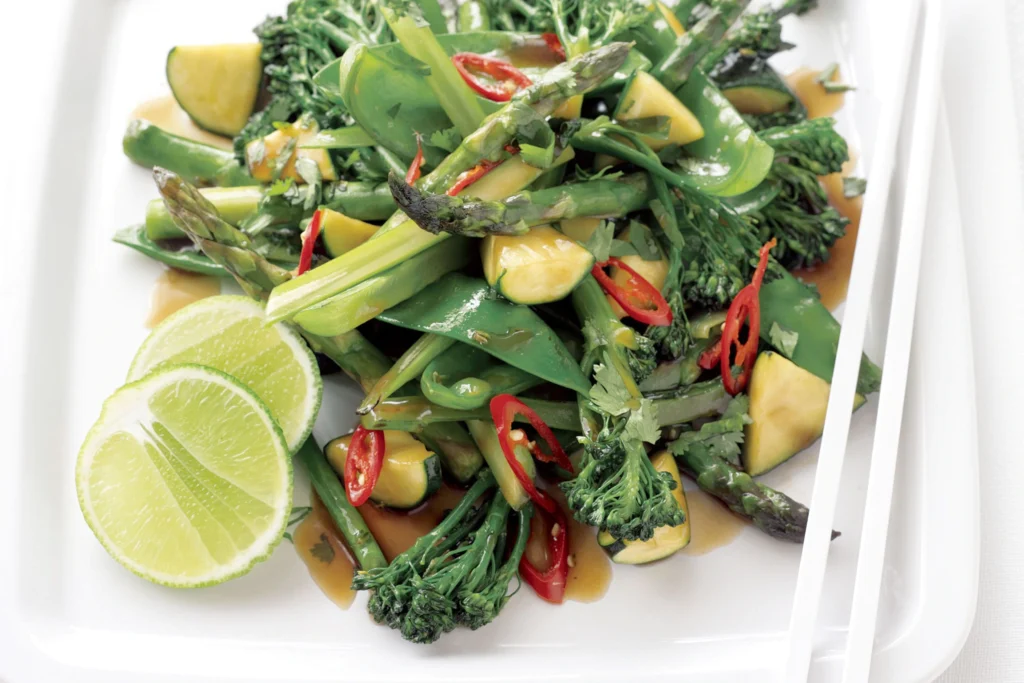
Broccoli stems, cauliflower leaves, radish tops, beet greens—often discarded, always delicious.
How to do it:
- Chop finely and stir-fry
- Blend with nuts, garlic, and oil for pesto
- Add to soups and omelets
Why it works:
These parts are often more nutritious than the main vegetable
🍋 Citrus Peels → Zest, Cleaners & Flavor
Orange, lemon, and lime peels are incredibly versatile.
How to do it:
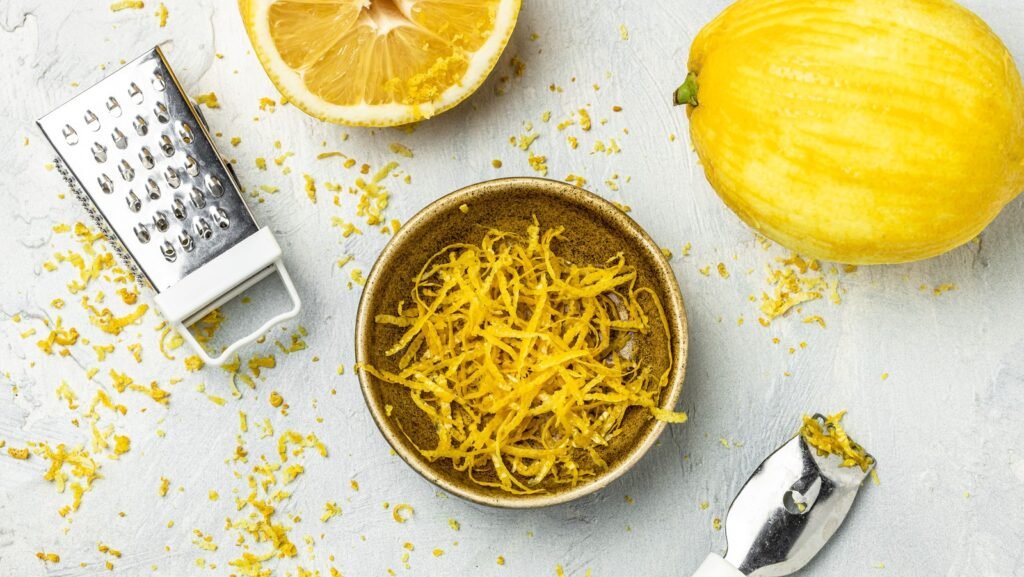
Dry and grind into zest
Infuse in vinegar for natural cleaners
Add to sugar or salt for aromatic blends
Why it works:
Citrus oils add flavor and fragrance without waste.
How to Build a Zero-Waste Kitchen (How to Do It)
1. Cook with a “Whole Ingredient” Mindset
Before discarding anything, ask:
“Is this edible, reusable, or compostable?”
2. Plan Before You Cook
- Use older ingredients first
- Design meals that reuse leftovers
- Batch cook intentionally
3. Store Smartly
- Freeze scraps and leftovers
- Label containers clearly
- Keep transparent storage to avoid forgetting food
4. Learn One New Habit at a Time
Zero-waste is a journey, not a rulebook. Start with:
- Stock
- Croutons
- Peel chips
Why Zero-Waste Cooking Is Joyful (Not Restrictive)
Zero-waste cooking:
- Encourages creativity
- Connects you to your food
- Builds respect for ingredients
- Makes cooking feel meaningful again
It transforms the kitchen from a place of consumption into a place of resourcefulness and pride.
Final Thought: A Creative Kitchen Leaves Nothing Behind
Zero-waste cooking is not about being perfect—it is about being thoughtful. When you turn scraps into something delicious, you are not just reducing waste. You are honoring the food, the effort behind it, and the world it came from.
A creative kitchen doesn’t throw food away—it transforms it.