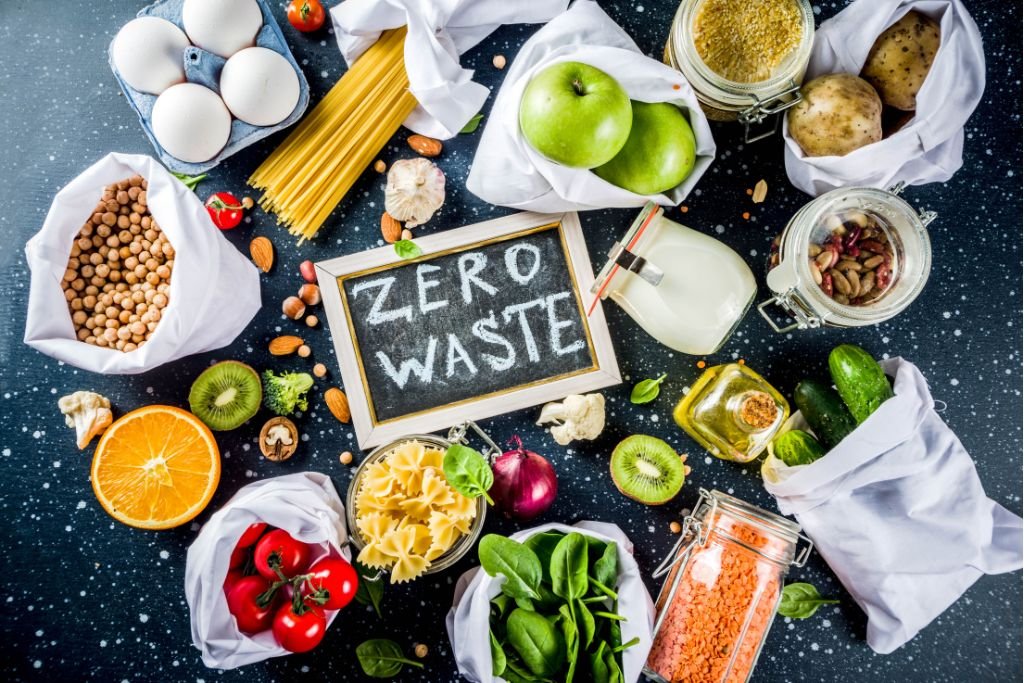
Zero-waste living becomes even more powerful when children are involved, because habits formed early often continue into adulthood. Engaging kids with simple, hands-on activities helps them understand that caring for the planet is a normal and enjoyable part of everyday life.
Why Teach Kids Zero-Waste Habits?
Children are naturally curious and eager to help, which makes them ideal partners in a more sustainable lifestyle. When they learn to reuse, repair, and reduce waste, they build a sense of responsibility and pride that can influence their choices for years.
Zero-waste lessons at home also reinforce values often taught at school—like sharing, caring for nature, and working together—which helps children see sustainability as part of community life.
Fun Zero-Waste Activities for Kids
Making zero-waste fun turns it from a rule into an adventure. Many family-focused sustainability resources emphasize creative, play-based learning for children.
Crafting with recycled materials: Use cardboard boxes, paper rolls, jars, and fabric scraps for art projects, costumes, or homemade toys.
- Growing food together: Plant herbs, salad greens, or a small vegetable patch in pots or garden beds so kids can see how food grows and why it should not be wasted.
- Sorting and organizing games: Turn recycling and compost sorting into a game where children match items to the correct bin.
These activities link environmental concepts to tangible experiences, making sustainability easier for children to grasp and remember.
Reducing Waste in Kids’ Meals
Children’s meals can generate significant packaging and leftover waste, especially with individually wrapped snacks and disposable containers. Small, consistent changes reduce waste while teaching kids that food has value.
Involve kids in meal planning: Let them help choose meals and snacks for the week, which increases the likelihood they will eat what is prepared.
- Prep together: Invite children to wash vegetables, portion snacks into reusable containers, or assemble their own lunchboxes.
- Use reusables: Replace single-use plastics with stainless steel or silicone lunchboxes, refillable water bottles, and cloth napkins.
- When children help prepare their food, they often become more willing to finish meals and appreciate the effort behind them, which naturally reduces waste.
Teaching Reuse and Recycling Mindfully
Reusing and recycling are easier for children to understand when explained in simple, story-like terms. Emphasizing reuse first, then recycling, mirrors many modern sustainability frameworks that prioritize keeping materials in use as long as possible.
Ideas to share with kids:
- Reuse first: Show how jars can become pencil holders, boxes can become storage, and old clothes can turn into cleaning cloths or costumes.
- Recycling as a “second life”: Explain that recycling helps turn old materials into something new, but that it still uses energy, so it is better to buy less and reuse what you have.
Short stories, picture charts, and simple explanations help children link their actions to bigger environmental outcomes.
Celebrating Family Achievements
Positive reinforcement is key to making zero-waste habits stick for kids. Celebrating small achievements shows that their efforts matter and makes the process feel rewarding, not restrictive.
Families can:
- Track “waste-free days” or successful reusable-lunch weeks on a calendar.
- Take photos of projects made from reused materials and create a “green achievements” album.
- Allow children to choose a fun, low-waste reward activity, such as a park visit or family game night.
These celebrations turn sustainability into a shared family identity, rather than a list of rules.
Raising a Mindful, Sustainable Generation
When children grow up sorting waste, using reusables, and thinking about where things come from, they carry that mindset into school, friendships, and eventually their own adult lives. Involving them in zero-waste practices now helps shape a generation that sees sustainability not as an extra effort, but as a normal, caring way to live.