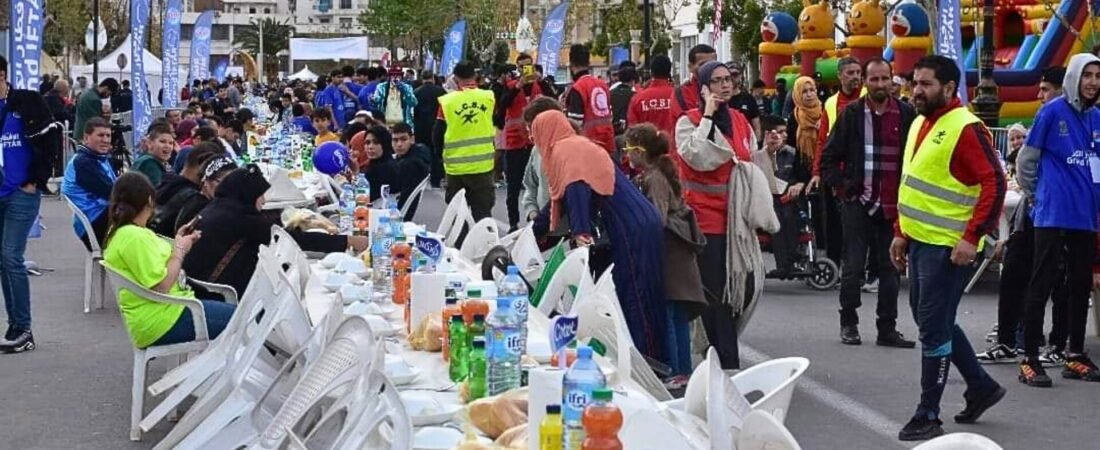
How Ramadan Tables Unite Diversity with Shared Faith
Ramadan iftar is a beautiful reflection of the Ummah’s diversity—each culture brings its beloved snacks and sides to the table, yet all share the same values of gratitude, hospitality, and nourishment after fasting. These community favorites don’t just fill plates; they create a sense of belonging and warmth that makes iftar feel like home for everyone present.
The Universal Appeal of Cultural Iftar Foods
What makes these dishes so loved across communities? They’re:
- Small, shareable portions – perfect for a crowded iftar table
- Comforting and familiar – evoking childhood memories and family traditions
- Balanced with mains – adding crunch, tang, and variety without overwhelming the stomach
- Acts of love – often made with hands passed down through generations
Including a few cultural favorites signals: “You are welcome here. Your traditions matter.”
Popular Iftar Items Across Communities
1. Samosas and Savory Pastries
Why they’re loved: Crispy, spiced, and handheld—samosas are the universal iftar starter.
Regional favorites:
- South Asian: Beef, chicken, potato, or lentil samosas with fiery chutneys
- Middle Eastern: Sambusas filled with spiced lamb or spinach and feta
- East African: Small, triangular pastries with coconut or beef fillings
Iftar tip: Bake instead of deep-fry for lighter, less oily bites that still crunch.
2. Stuffed Flatbreads
Why they’re perfect: Portable, filling, and endlessly versatile fillings make them ideal for iftar.
Community favorites:
- Pakistani/Indian: Aloo paratha (potato-stuffed), keema naan (minced meat)
- Arab: Fatayer (spinach, cheese, or za’atar stuffed breads)
- Turkish: Pide with ground meat, cheese, or vegetables
- Moroccan: Msemen with honey or minced meat
Iftar tip: Keep them small so guests can try multiple varieties without filling up.
3. Fried or Baked Snacks (Small Portions)
Why they work: Crunchy contrasts to soft mains, satisfying that iftar craving for something crisp.
Regional stars:
- Pakistani: Pakoras, aloo tikki, or bhajis
- Lebanese: Crispy falafel or fried kibbeh
- Indonesian: Pisang goreng (banana fritters) or tahu isi (stuffed tofu)
- Egyptian: Ta’ameya (fava bean falafel)
Iftar wisdom: Small portions prevent heaviness before prayer. A few pieces satisfy the crunch craving perfectly.
4. Chutneys, Dips & Sauces
Why they’re essential: Tangy, spicy, cooling—sauces tie everything together and add personality.
Must-have dips:
- Mint-coriander chutney (South Asian cooling agent)
- Tamarind chutney (sweet-tangy punch)
- Hummus or baba ganoush (Middle Eastern creamy dips)
- Tzatziki or labneh (yogurt-based refreshers)
- Harissa or zhug (fiery North African/Yemeni sauces)
Pro tip: Serve in small bowls around the table so everyone customizes their plate.
Making Everyone Feel Welcome
The beauty of diverse iftar tables is that they mirror the Ummah itself—different flavors, same faith.
Simple ways to include cultural favorites:
- Ask ahead: If hosting mixed guests, ask what iftar foods make them feel at home.
- Small variety: Offer 2–3 favorites from different regions rather than everything.
- Label gently: Small cards saying “Mama’s samosas” or “Lebanese spinach fatayer” add warmth.
- Share stories: “This is how my grandmother broke her fast” builds connection.
The result: Guests don’t just eat—they feel seen, remembered, and celebrated.
Balancing Tradition with Ramadan Spirit
Cultural favorites shine brightest when they align with Ramadan’s values:
Gratitude: Pause before eating to remember the Giver of all flavors and traditions
Moderation: Small portions of rich foods prevent post-iftar sluggishness
Sharing: Make enough for seconds so everyone tries something new.
When we welcome each other’s iftar traditions with open hearts and open tables, we don’t just share food—we strengthen the bonds of faith that unite us across cultures.
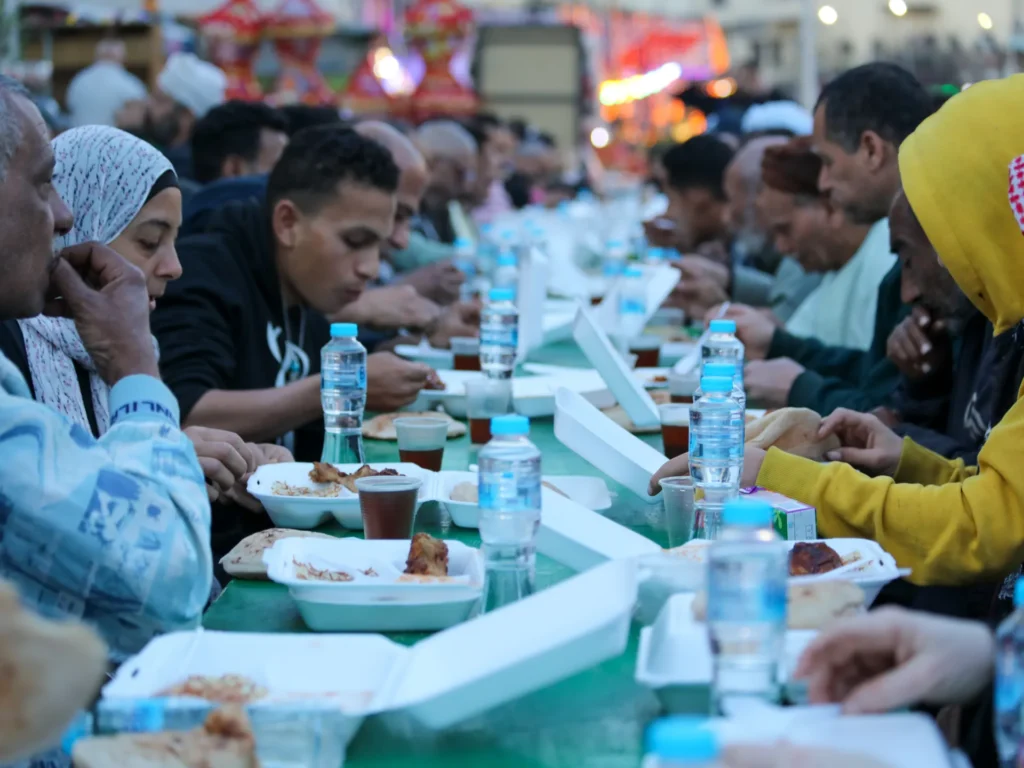
Alhamdulillah for variety, alhamdulillah for unity.