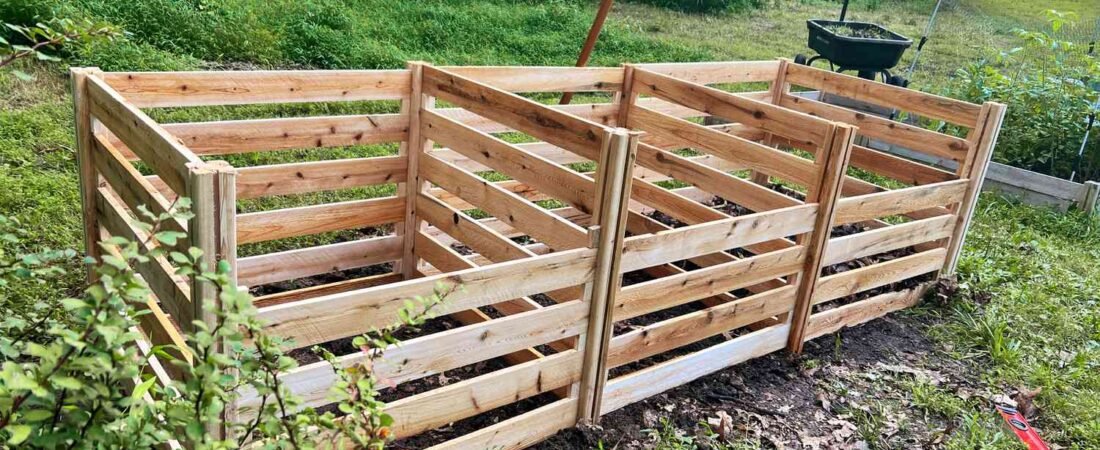
A Beginner’s Guide to Home Composting
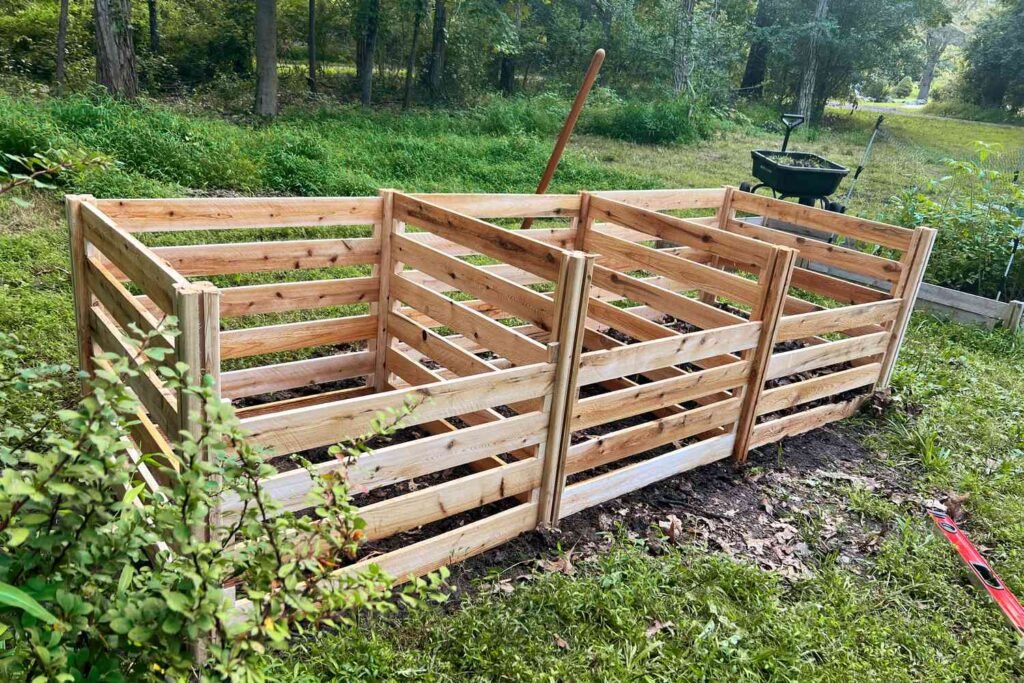
Feed the Soil That Feeds You
Composting is one of the simplest yet most powerful habits you can adopt at home. By turning everyday kitchen scraps into nutrient-rich soil, you close the natural loop between what you eat and how your food is grown.
You don’t need a large garden, fancy tools, or technical expertise to get started. Composting is an ancient, forgiving, and deeply natural process—perfectly suited to everyday home life, especially for homemakers who already manage the rhythms of the kitchen and family.
This guide explains what composting is, why it matters, and how you can begin your own composting journey today.
What Is Composting?
Composting is the natural breakdown of organic waste—such as vegetable peels, fruit scraps, and garden trimmings—into a nutrient-rich substance often called black gold.
Through the combined efforts of microorganisms, oxygen, and moisture, organic matter transforms into compost that revitalizes both soil and plants.
In simple terms: composting is nature’s way of recycling food.
Why Composting Matters
Composting goes beyond waste reduction; it creates ripple effects for the environment, your household, and your overall well-being.
🌍 Environmental Benefits
- Reduces the amount of household waste sent to landfills.
- Lowers methane emissions produced by rotting food.
- Returns essential nutrients back to the earth, closing the ecological loop.
🌱 Soil & Plant Benefits
- Improves soil structure and health.
- Enhances moisture retention, reducing watering needs.
- Enriches the soil naturally—no chemicals required.
💰 Household Benefits
- Reduces garbage odor and volume.
- Cuts costs on fertilizers and potting soil.
- Supports small-space gardening, balcony plants, and indoor herbs.
🌸 Emotional & Lifestyle Benefits
- Instills eco-conscious values in children.
- Encourages a meaningful connection with the food you prepare.
- Provides a sense of contribution and environmental purpose.
Composting 101: Getting Started
1️⃣ Balance Your “Greens” and “Browns”
A successful compost pile is all about balance.
🟢 Greens (Nitrogen-rich materials):
- Vegetable peels
- Fruit scraps
- Coffee grounds
- Tea leaves
- Fresh grass clippings
🟤 Browns (Carbon-rich materials):
- Dry leaves
- Shredded newspaper
- Cardboard pieces
- Straw
- Egg cartons
👉 Ideal ratio: approximately 2 parts browns to 1 part greens.
This combination prevents unpleasant odors and speeds up decomposition.
2️⃣ What Not to Compost at Home
Some materials disrupt the composting process or attract unwanted pests. Avoid adding:
- Cooked food
- Meat or fish
- Dairy products
- Excess oils
- Plastics or synthetic materials
These items either decompose poorly or cause hygiene and odor issues in small-scale home composting.
Start Today
Composting is a humble act with big impact. Every banana peel, coffee ground, or pile of leaves you divert from the trash contributes to a more sustainable, nourishing world. Start small, stay consistent, and let nature do the rest—because every compost pile is a quiet, steady gesture of care for the planet.