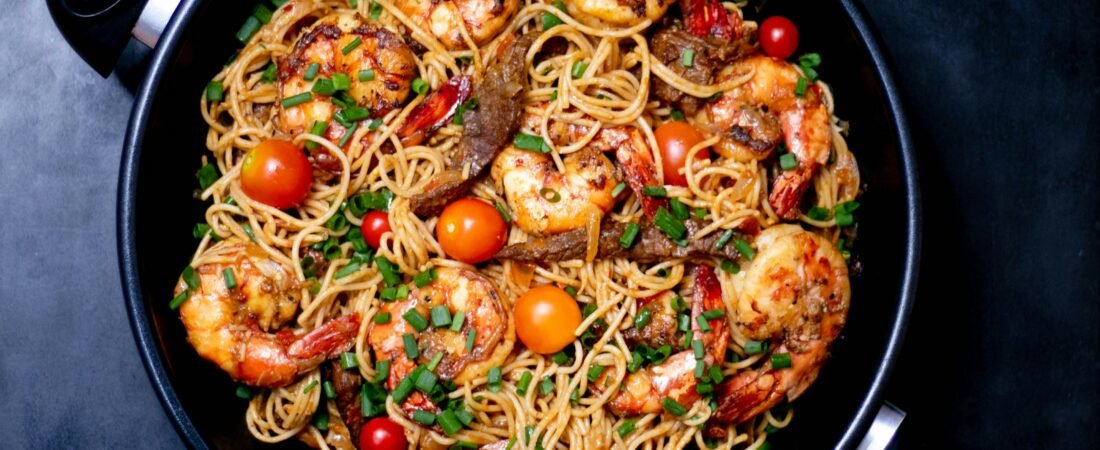
How to Transform Yesterday’s Meal into Today’s Inspiration
Leftovers have a reputation problem. In many homes, they’re treated like second-class food—something to “get through” or quietly ignore at the back of the fridge. In reality, leftovers are ready ingredients: already seasoned, full of developed flavour, and the biggest time-savers you’re not fully using.
Reimagining leftovers is not just frugal; it’s smart, sustainable kitchen craft. It stretches your grocery budget, reduces waste, and brings creativity back to weekday cooking—especially in busy seasons like Ramadan, back‑to‑school, or long work weeks.
This guide explores why leftover cooking matters, how to think differently about it, and practical ways to turn yesterday’s meal into something that feels completely new.
Why Leftover Cooking Matters
💰 1. It Quietly Protects Your Budget
Every time you turn a leftover into a fresh meal, that’s one less dinner to shop and cook from scratch. Over a month, thoughtful leftover use can shave a noticeable amount off the grocery bill—especially for larger families or anyone hosting often.
🌍 2. It Cuts Food Waste (Where It Actually Happens)
A big portion of household food waste comes from cooked food that’s forgotten—half a tray of rice, a few pieces of chicken, that side of vegetables no one touched. Learning to reuse leftovers is one of the most realistic “zero‑waste” habits because it’s built into what you already cook.
⏱️ 3. It Saves Time and Energy
On days when you’re fasting, drained from work, or juggling kids’ schedules, starting with food that’s already cooked is a quiet superpower. You’re not “starting dinner”; you’re simply re‑finishing it with a twist.
🍽️ 4. It Brings Creativity Back
Leftover cooking isn’t about eating the same thing again—it’s about reimagining it. It nudges you out of autopilot. Instead of “we have to finish this,” the question becomes: “What can this become?”
The Mindset Shift: From “Old Food” to “Ready Ingredients”
The most important step is mental: stop looking at leftovers as finished meals and start seeing them as ingredients with a head start.
- Yesterday’s roast chicken becomes today’s wrap filling.
- Cooked vegetables become soup bases, omelette fillings, or pasta add‑ins.
- Leftover rice turns into stir‑fries, fritters, or stuffed peppers.
Once you think in components—protein, veg, carbs, sauce—your fridge becomes a mix‑and‑match palette, not a graveyard.
Example: Roast Dinner → Tacos (Step-by-Step)
A classic transformation that never feels like “day‑old food.”
What You Have (Yesterday)
- Roast chicken or beef
- Cooked vegetables (carrots, potatoes, peppers, etc.)
- A little gravy or pan juices
What You Create (Today)
- Shredded, gently spiced taco filling
- A lighter, fresher meal
- A completely different eating experience
How to Do It
- Shred the meat cold
Cold meat shreds more neatly. Remove skin and bones, shred finely. - Warm with new flavours
In a pan, add a little oil and spices (cumin, paprika, garlic, chili if you like). Add the shredded meat. - Add moisture
Loosen with leftover gravy, pan juices, or a splash of stock/water until it’s juicy, not dry. - Build the tacos
Use wraps or flatbreads. Add fresh elements:- Sliced onions or pickled onions
- Shredded lettuce or herbs
- A spoon of yogurt, sour cream, or tahini sauce
- A squeeze of lemon or lime
Why It Works
- The meat is already tender and seasoned.
- New spices change the flavour profile completely.
- Fresh toppings add crunch, acidity, and colour.
No one at the table feels like they’re eating leftovers—they’re just having tacos.
Practical Leftover Transformations
Real homes, real food, no chef training required.
🍗 Cooked Meat
- Roast chicken / beef / lamb
→ Wraps, tacos, quesadillas
→ Fried rice or noodle stir‑fries
→ Toasted sandwiches or panini - Leftover curry or stew
→ Stuffing for parathas or pies
→ Topped on baked potatoes
→ Rolled into puff pastry parcels - Grilled meat
→ Sliced over salads
→ Tossed into grain bowls (rice, quinoa, bulgur)
→ Mixed into pasta with a simple sauce
🥕 Cooked Vegetables
- Mixed roasted or sautéed veg
→ Blended into a comforting soup
→ Mixed with eggs for frittatas or omelettes
→ Tossed with cooked pasta and olive oil/parmesan - Steamed greens or leftover spinach
→ Blended into a green sauce (with herbs, garlic, oil, yogurt)
→ Stirred into lentils or soups for extra nutrients
→ Folded into savoury muffins or breads - Mashed potatoes or root veg
→ Turned into patties/fritters with a little flour and seasoning
→ Used as a topping for cottage/shepherd’s pie
🍚 Rice & Grains
- Plain rice
→ Fried rice with leftover meat/veg and an egg
→ Quick pulao with spices and frozen peas
→ Rice patties: mixed with egg, herbs, shallow‑fried - Quinoa, bulgur, couscous
→ Cold salads with chickpeas, tomatoes, cucumber, herbs
→ Stuffing for peppers, tomatoes, or courgettes - Lentils / beans
→ Thickened into hearty soups
→ Mashed into spreads (with garlic, lemon, tahini)
→ Folded into wraps with salad and sauce
The Golden Rules of Leftover Cooking
✅ Do This
- Cool and store properly
Cool food quickly, refrigerate promptly in clean containers. - Use within 1–2 days
Build the habit of checking yesterday’s food first when planning today. - Add something fresh
Herbs, lemon, crunchy salad, yogurt, pickles—fresh elements wake everything up. - Change the texture or form
Shred roasted meat, mash veg, crisp rice, bake, grill, or pan‑fry. A new texture feels like a new dish.
❌ Avoid This
- Endlessly reheating the same dish
It dries out, loses flavour, and feels like a chore to eat. - Overcooking already‑cooked food
Gentle reheating is key; don’t punish the food. - Throwing everything into one “mystery” dish
Too many flavours together can become heavy and unappealing. - Leaving leftovers “to decide later”
If you don’t decide when you store them, you’re unlikely to use them.
Storage: The Secret to Actually Using Leftovers
Leftovers only help you if you can see them and understand them.
Smart Storage Habits
- Use clear containers
If you can’t see it, you’ll forget it. - Label with date and contents
Even just masking tape + pen: “Chicken curry – Mon”. - Keep leftovers at eye level
Don’t banish them to the dark corner. Make them the first thing you notice. - Portion intentionally
Store in meal-sized amounts, not giant tubs that are overwhelming to use.
A well‑organized fridge is like a visual menu: you open the door and see possibilities, not guilt.
Leftover Cooking for Families (and Busy Seasons)
For families—especially during busy weeks, exam seasons, or Ramadan—leftover cooking can quietly transform home life:
- Reduces daily cooking pressure
Not every night has to start from scratch. - Prevents exhaustion and resentment
The person who cooks isn’t trapped in the kitchen all evening. - Teaches children food respect
When kids see leftovers thoughtfully reused, they learn that food has value beyond one plate. - Builds real kitchen confidence
Children (and adults) start seeing how flavours, textures, and ingredients can be combined. That’s how real cooking intuition grows.
Sustainability Without Sacrifice
We often think sustainability demands big public gestures. In reality, how we manage our own fridge is one of the most impactful, quiet sustainability practices we have.
Leftover cooking doesn’t require special gear, trendy products, or a new lifestyle. It only asks for:
- A bit of planning
- A shift in perspective
- A willingness to be creative with what’s already there
When we use leftovers thoughtfully:
- We honour the time, money, and labour that went into the meal.
- We reduce unnecessary consumption and waste.
- We cook with a sense of responsibility, not restriction.
Final Thought
Leftovers are not a compromise. They’re an invitation—to be resourceful, grateful, and a little more creative.
With a small shift in thinking, yesterday’s meal becomes today’s inspiration.
A thoughtful kitchen doesn’t just avoid wasting food—it reinvents it, one plate at a time.