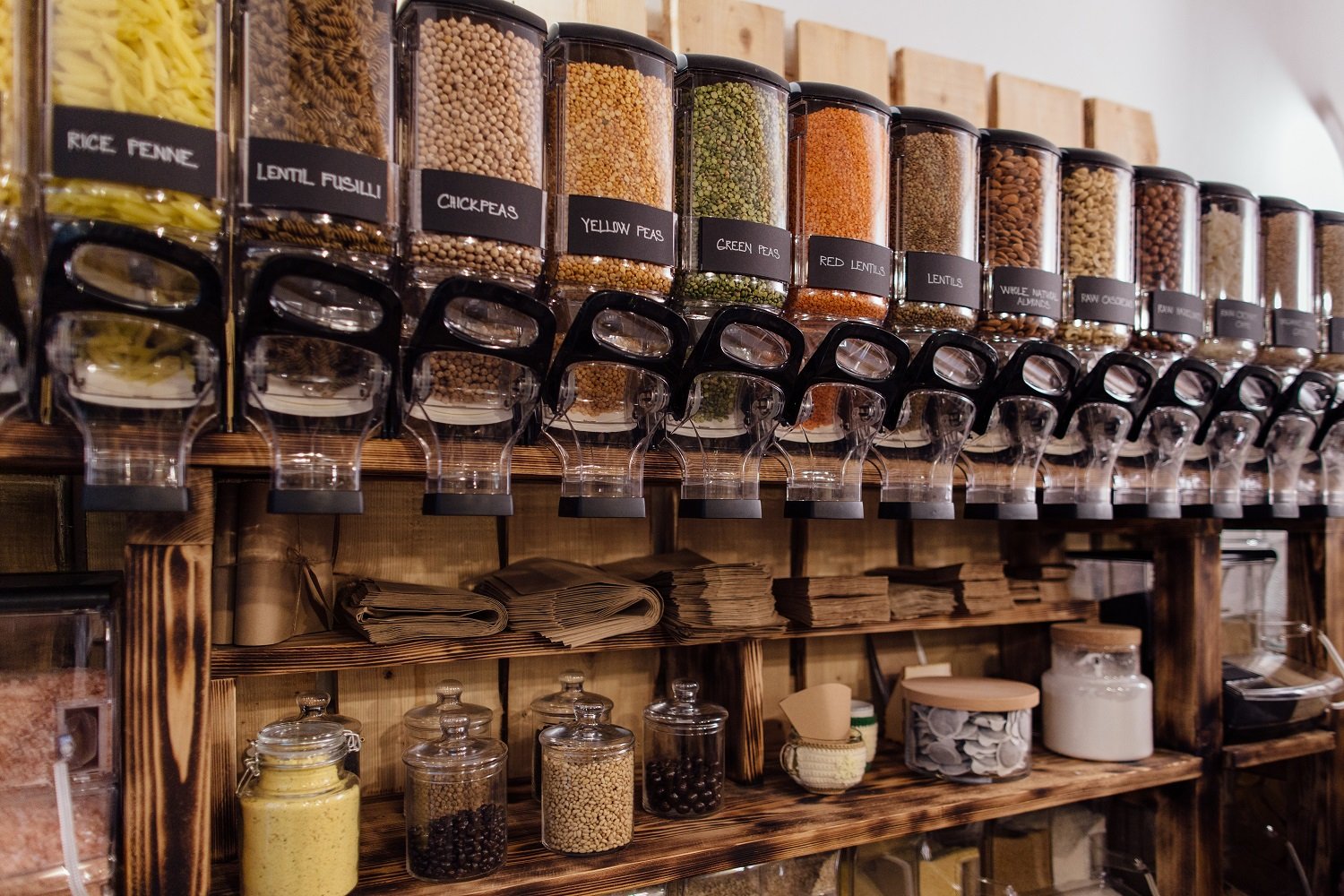
Zero-waste shopping focuses on reducing packaging, choosing longer-lasting products, and supporting responsible businesses. Many guides on sustainable consumption highlight that everyday purchasing decisions play a major role in lowering household waste and demand for single-use plastics. Even without live access to external tools right now, the following advice reflects widely shared best practices in low-waste and mindful shopping.
What Is Zero-Waste Shopping?
Zero-waste shopping is the practice of buying what you need in ways that generate as little waste as possible. It emphasizes reusable containers, minimal packaging, and thoughtful choices over convenience.
This approach applies to grocery stores, markets, and even online orders, helping reduce both visible waste (like plastic bags) and hidden waste (such as excessive product packaging).
Bring Your Own Bags and Containers
One of the most effective and accessible steps is to bring your own reusables when shopping. Many sustainability resources place this at the core of zero-waste habits because it directly displaces single-use options.
- Reusable shopping bags: Use cloth or sturdy reusable bags instead of disposable plastic or paper bags.
- Produce bags: Bring lightweight fabric or mesh bags for fruits, vegetables, and bread.
- Containers and jars: Where allowed, use your own containers for bulk foods, deli items, or takeaway meals.
Keeping a small “zero-waste kit” (a couple of bags, a few jars or boxes) in the car or near the door makes this habit easier to maintain.
Bulk Bins and Local Shopping
Bulk sections and local markets often offer more flexible and lower-waste options. Many zero-waste guides recommend seeking out stores that allow container refills or provide unpackaged staples.
Bulk bins: Grains, nuts, seeds, legumes, and sometimes spices can be purchased in the exact quantity needed, reducing both packaging waste and food waste.
- Local farmers’ markets: These often feature produce with minimal packaging, and some vendors welcome reusable bags and containers.
- Small local shops: Some independent shops and refilleries focus specifically on low-waste options for food and household products.
Shopping locally can also reduce transport-related environmental impacts and support community-based businesses.
Reading Labels and Avoiding Excess Packaging
Learning to read both product and packaging labels helps identify more sustainable choices. Many consumer education efforts stress the importance of checking for unnecessary layers of plastic, mixed materials, or non-recyclable packaging.
Look for minimal or recyclable packaging, such as cardboard, metal, or glass.
- Avoid products with multiple layers of plastic wrapping or individually wrapped portions when not necessary.
- Check labels for concentrated products, which usually use less packaging per use (for example, concentrated detergents or refill pouches).
Over time, choosing items with simpler, more recyclable packaging significantly reduces household rubbish.
Talking to Stores About Reducing Plastic
Advocating for change at the store level can amplify individual efforts. Many community-based zero-waste initiatives encourage shoppers to politely speak up about plastic use and more sustainable options.
Suggestions for starting the conversation:
- Thank stores when they introduce reusable, refill, or bulk options, reinforcing positive change.
- Ask whether they would consider more bulk bins, paper alternatives, or refill stations.
- Suggest trials, such as discounts for bringing your own bag or container, which some retailers already use to promote reuse.
Polite, specific feedback helps store managers understand that there is genuine demand for lower-waste options in the community.
Making Zero-Waste Shopping Enjoyable and Realistic
Zero-waste shopping works best when it feels practical and enjoyable, not restrictive. Many guides emphasize starting small and building habits gradually.
Readers can:
- Begin with one habit, such as always bringing a reusable bag.
- Choose one store that offers bulk or refill options and visit it regularly.
- Celebrate small wins—like a week without needing a new plastic bag or successfully refilling a staple item.
By tailoring choices to personal needs and local options, zero-waste shopping becomes a sustainable, long-term part of everyday life rather than a short-lived experiment.